Let’s get real for a second. When I first started in marketing, I thought success meant shouting my message louder than everyone else. I plastered ads everywhere, chased trends, and treated customers like numbers on a spreadsheet. Surprise—it felt hollow, and my results were… meh.
Then I stumbled on STP (Segmentation, Targeting, Positioning). Not the boring textbook version, but the human version. The kind that turns “marketing strategies” into conversations with actual people. Today, I’m sharing how STP saved my sanity—and how it can help you ditch the corporate jargon to build real relationships.
STP Isn’t a Strategy—It’s a Mindset
Forget flowcharts and data overload. STP works because it forces you to care about who you’re talking to. Here’s the breakdown:
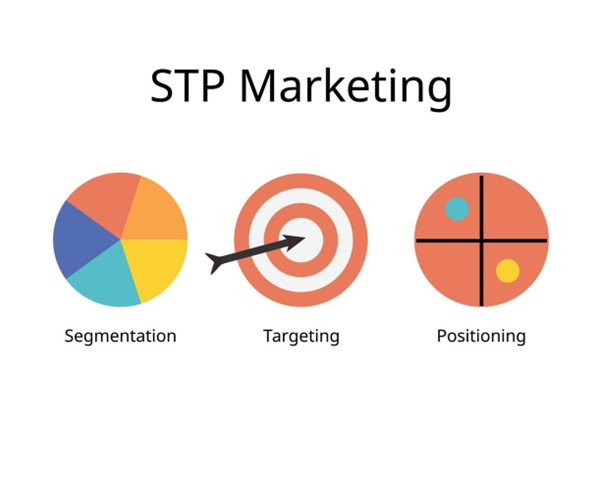
1. Segmentation: Finding Your “People” (Not Just Demographics)
Let’s say you’re hosting a potluck. You wouldn’t serve spicy curry to a toddler or kale salad to a steak lover. Segmentation is like figuring out who’s coming to dinner—before you cook.
But here’s the twist: It’s not just age or income. It’s about stories. For example:
- A fitness brand might segment into busy moms (10-minute workouts), marathon runners (performance gear), and yoga newbies (beginner-friendly guides).
- A local bookstore could group readers into escapism lovers (fantasy novels), self-help junkies, and parents hunting for bedtime stories.
Segmentation isn’t cold data-crunching. It’s asking: “What keeps these folks up at night? What do they secretly want?”
2. Targeting: Choosing Your “Tribe” (And Saying No to the Rest)
Here’s where most marketers panic: “What if we exclude someone?!” But targeting isn’t exclusion—it’s focus. You’re not for everyone, and that’s okay.
Ask:
- Who’s already loving what you do? (Hint: Check your reviews or DMs.)
- Which group’s needs align with your strengths?
- Who’s being ignored by your competitors?
True story: A client sold handmade leather bags. Instead of targeting “all professionals,” we focused on remote workers who valued craftsmanship and wanted to feel connected to artisans. Sales tripled. Why? Because we spoke to a specific human need, not a generic crowd.
3. Positioning: Becoming Their Favorite Sidekick
Positioning isn’t about being the “best.” It’s about being unforgettable in your audience’s eyes.
Think of it like this: If your brand were a person at a party, how would you introduce yourself?
- The Problem-Solver: “I help busy entrepreneurs sleep through the night.”
- The Rebel: “We’re here to disrupt the boring skincare industry.”
- The Comforting Friend: “Your safe space for messy, imperfect parenting.”
The key? Consistency. Every email, social post, and product page should echo your position.
Example: Liquid Death (the water company) didn’t just sell hydration. They positioned themselves as the “heavy metal” of bottled water—irreverent, eco-friendly, and nothing like corporate brands. Their fans aren’t just buyers; they’re cult-like followers.
Why STP Feels Like Cheat Codes for Marketing
When you nail STP, you’re not just selling—you’re connecting. Here’s what changes:
- Ads stop feeling icky: You’re helping, not hustling.
- Customers become fans: People stick with brands that “get” them. (Ever met a rabid Apple fanboy? Exactly.)
- You waste less money: No more throwing spaghetti at the wall to see what sticks.
Let’s Get Personal: My STP “Aha” Moment
A few years back, I worked with a struggling meal-kit startup. They were targeting “health-conscious families” and getting drowned by giants like HelloFresh.
Here’s how we flipped the script:
- Segmentation: We discovered a niche—single-person households tired of leftovers and grocery waste.
- Targeting: Focused on urban millennials working late (think: 9-to-5’ers who still wanted home-cooked meals).
- Positioning: Became the “no-fuss, no-waste” solution with single-serving recipes and bold flavors.
Result? A 150% retention rate boost. Why? Because we stopped selling “meal kits” and started solving a lonely problem (cooking for one sucks).
Your Homework: Ditch the Robot Voice
STP isn’t about fancy frameworks. It’s about listening.
Try this:
- Scroll through your customer reviews. What words do they use? What frustrates them?
- Stalk your audience (ethically!). Join Reddit threads or Facebook groups where they hang out.
- Ask yourself: “If I met my ideal customer at a coffee shop, what would they complain about? What would make them light up?”
When you market to humans—not personas—you stop chasing algorithms and start building trust.
Need Help? Hit reply. Let’s brainstorm how to make your marketing feel less like a sales pitch and more like a heart-to-heart.